

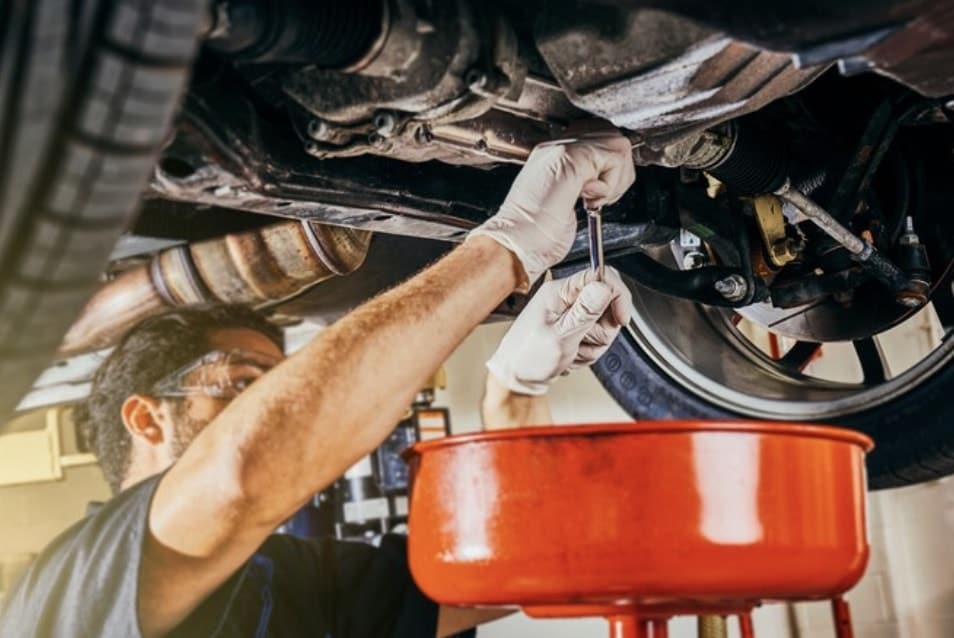
Heavy duty diesel engines are the backbone of logistics and commerce, requiring a level of precision that standard automotive repair simply cannot match. Maintaining these powerhouses involves more than just basic fluid swaps; it requires a deep understanding of high-pressure fuel systems, complex turbocharging assemblies, and heavy-duty drivetrains. Our team focuses on providing the specialized care needed to keep Class 7 and 8 trucks on the road, ensuring that local operators can maintain their rigorous schedules without the threat of unexpected downtime.
When a truck enters our facility, the first priority is a comprehensive diagnostic evaluation. Modern diesel engines utilize sophisticated electronic control modules that monitor everything from fuel rail pressure to exhaust gas temperatures. By leveraging advanced diagnostic tools, we can pinpoint inefficiencies before they manifest as mechanical failures. For those needing routine upkeep, we offer a specialized oil change near Lumberton that utilizes the high-viscosity lubricants and heavy-duty filters required by high-mileage diesel blocks.
Safety and reliability are non-negotiable for commercial drivers. Whether you are navigating the urban congestion of Philadelphia or hauling freight across the state, your vehicle must be in peak condition. We encourage fleet managers and owner-operators to schedule service proactively to avoid the high costs associated with emergency roadside repairs. If you have questions about specific maintenance protocols for your rig, you can give our service department a quick call to speak with a technician. For those visiting us for the first time, our Lumberton location is easily accessible for heavy-duty vehicles.
Table of Contents
- Standard Service Scope for Class 7 and 8 Diesel Trucks
- Understanding Maintenance Intervals and DPF Care
- Technical Expertise and the Value of ASE T-Series Certification
- Interpreting Diesel Engine Warning Lights and Fault Codes
- Optimizing Fleet Economics with Professional Service Solutions
- Essential Answers for Heavy Duty Diesel Owners
Standard Service Scope for Class 7 and 8 Diesel Trucks
The mechanical demands placed on Class 7 and 8 trucks require a broad service scope that covers every system from the front bumper to the rear axles. Unlike light-duty vehicles, these trucks operate under extreme stress and carry massive payloads, meaning that components like the Allison Transmission and heavy-duty air brake systems must be inspected with meticulous detail. A standard service visit typically includes a full review of the pneumatic systems, suspension lubrication, and drivetrain integrity to ensure the vehicle meets federal safety standards.
Braking performance is perhaps the most critical safety factor for a heavy-duty rig. We provide comprehensive brake repair service in South Jersey, focusing on S-cam bushings, brake chamber health, and drum or disc wear. Because these vehicles often travel through varied terrain, from the flat coastal plains of Burlington to the stop-and-go traffic of major metropolitan hubs, the wear patterns on brake linings can vary significantly. Regular adjustments and relining are essential to prevent brake fade and ensure reliable stopping power under load.
Chassis and tire maintenance are equally vital for maintaining fuel efficiency and handling. High-mileage trucks frequently require specialized tire rotation and alignment service to prevent uneven tread wear and reduce rolling resistance. This is especially important for vocational vehicles, such as the lifted trucks used in construction or off-road applications, where suspension geometry is under constant pressure. If a vehicle has reached the end of its service life and maintenance costs are beginning to outweigh its operational value, our team can also help you value your truck for a cash offer, providing a streamlined path to upgrading your fleet.
Understanding Maintenance Intervals and DPF Care
Standard maintenance for heavy duty diesel trucks typically follows a tiered schedule based on mileage and engine hours. Most manufacturers recommend a minor service, including oil and filter changes, every 15,000 to 25,000 miles. However, major inspections and comprehensive system flushes are generally required every 50,000 miles. These intervals are designed to protect the Duramax or other high-torque diesel engines from the soot buildup and oil degradation that naturally occur during long-haul operations.
One of the most complex aspects of modern diesel service is the care of the Diesel Particulate Filter (DPF) and the broader emissions system. The DPF is responsible for capturing soot from the exhaust, but it requires regular "regeneration" cycles to burn off that matter. If a truck primarily handles short-haul routes or experiences excessive idling, the DPF can become clogged, leading to reduced power and eventual engine derate. Our technicians specialize in DPF cleaning and forced regenerations to ensure your emissions system remains compliant and functional.
When components do fail, using high-quality replacements is the only way to guarantee a long-lasting repair. We provide access to genuine car parts and accessories for a wide range of heavy-duty applications, ensuring that every seal, sensor, and gasket meets OEM specifications. Structural repairs for larger vehicles are handled at the collision body shop, where technicians restore frames and bodies to professional standards. Proper maintenance of the cooling system, including the water pump and radiator, is also a priority, as diesel engines generate immense heat that must be managed to prevent head gasket failure.
Technical Expertise and the Value of ASE T-Series Certification
The complexity of medium and heavy-duty trucks requires a specialized set of skills that goes beyond general automotive knowledge. This is why the ASE T-Series Certification is considered the gold standard in the industry. To earn this credential, a technician must pass a rigorous battery of tests covering eight distinct areas: gasoline engines, diesel engines, drive trains, brakes, suspension and steering, electrical systems, heating and air conditioning, and preventive maintenance. This ensures that the person working on your truck understands the unique physics and engineering of a 33,000-pound vehicle.
Having a certified technician perform your repairs provides a layer of security for your business. For instance, diagnosing a fault in a heavy-duty electrical system requires an understanding of multiplexing and complex wiring schematics that are not found in smaller vehicles. A technician with T-Series certification is trained to use precision instruments like pressure gauges and motor analyzers to identify the root cause of an issue, rather than simply replacing parts until the problem disappears. This methodical approach saves time and reduces the total cost of ownership for the fleet.
Furthermore, technical expertise extends to the specialized vocational equipment often attached to these trucks. Whether it is a hydraulic lift on a dump truck or a specialized cooling unit on a reefer, a qualified mechanic understands how these systems integrate with the truck’s primary engine and transmission. By adhering to industry best practices and staying updated on the latest advancements in diesel technology, we ensure that every repair is performed with the longevity of the vehicle in mind.
Interpreting Diesel Engine Warning Lights and Fault Codes
A "check engine" light in a heavy-duty diesel truck indicates that the onboard diagnostic system has detected a reading outside of normal operating parameters. Common triggers for these lights include issues with the NOx sensors, Diesel Exhaust Fluid (DEF) pump failures, or fuel rail pressure fluctuations. In many cases, the light is accompanied by a fault code that can be read via the OBD-II port or a proprietary diagnostic link. Understanding these codes is the first step in determining whether a problem is a minor sensor glitch or a critical mechanical failure.
One of the most frequent causes of warning lights in modern diesels is the emissions system. If the sensors detect that the exhaust is not being properly treated, the engine may enter a "limp mode" or derate, significantly limiting speed and power to prevent environmental damage. This often points to a clogged DPF or a faulty DEF injector. Ignoring these lights can lead to a total vehicle shutdown, which is why we recommend immediate diagnostic testing the moment a warning appears on the dashboard.
Beyond the check engine light, drivers should be aware of other critical indicators, such as the oil pressure warning or the high coolant temperature light. Because diesel engines rely on high compression and heat to function, a loss of lubrication or a cooling system failure can cause catastrophic internal damage in a matter of minutes. We utilize handheld computers and chassis charts to cross-reference fault codes with real-time sensor data, allowing us to provide an accurate diagnosis and a clear path toward repair.
Optimizing Fleet Economics with Professional Service Solutions
For businesses operating multiple vehicles, the cost of maintenance is a major factor in overall profitability. Fleet economics rely on maximizing "up-time" and minimizing the cost per mile. Professional service solutions help achieve this by implementing a structured preventive maintenance program. By catching small issues—like a worn serpentine belt or a minor coolant leak—during a scheduled inspection, fleet managers can avoid the much higher costs of a breakdown on the highway and the subsequent loss of cargo delivery time.
Many local shops offer specialized support for fleet accounts, which can include volume-based discounts on parts and labor. This partnership allows for better budget forecasting, as maintenance costs become a predictable monthly expense rather than a series of expensive surprises. We focus on providing detailed reports of all work completed, including records of time spent and materials used, which is essential for maintaining accurate vehicle logs and complying with Department of Transportation (DOT) regulations.
In addition to mechanical repairs, professional service includes the proper management of high-wear items like batteries and lighting systems. Vibration and corrosion are the primary enemies of heavy-duty electrical components, often leading to premature failure of alternators and starters. By using high-quality components and ensuring all connections are properly shielded, we help extend the life of these parts. This comprehensive approach to service ensures that every vehicle in your fleet remains a reliable asset for years to come.
Essential Answers for Heavy Duty Diesel Owners
Q: What are the most common causes of a diesel engine losing power under load?
A: Loss of power, or "derate," is frequently caused by a restricted fuel flow or an issue within the turbocharging system. Clogged fuel filters or a failing fuel lift pump can starve the engine of the combustion it needs. Additionally, a leak in the charge air cooler or a faulty wastegate on the turbocharger can prevent the engine from reaching the necessary boost levels to move heavy payloads.
Q: How often should I have my air brake system inspected?
A: Air brakes should be checked during every preventive maintenance visit, typically every 15,000 to 25,000 miles. Technicians look for leaks in the air lines, ensure the air dryer is functioning to remove moisture, and check the thickness of the brake linings. Proper adjustment of the slack adjusters is also vital to ensure all wheels are providing equal braking force.
Q: Is it necessary to use a specific type of coolant for diesel engines?
A: Yes, heavy-duty diesel engines require specialized coolant that includes Supplemental Coolant Additives (SCAs) or is a Long Life Coolant (LLC) formulation. These additives prevent "cavitation," which is the formation of tiny bubbles that can pit and erode the cylinder liners over time. Using standard automotive coolant can lead to significant internal engine damage and cooling system corrosion.
Q: What should I do if my truck's DPF light starts flashing?
A: A flashing DPF light indicates that the filter is nearing a critical soot level and a regeneration cycle is urgently needed. If possible, the truck should be driven at highway speeds to allow a passive regeneration to occur. If the light remains on or turns red, you should seek professional service immediately for a forced regeneration to avoid a full engine derate.
Q: Can I get manufacturer-backed roadside support for my Chevrolet diesel truck?
A: Owners of eligible Chevrolet diesel vehicles have access to professional support for emergencies like flat tires or mechanical breakdowns. You can reach Chevrolet Roadside Assistance: 1-800-243-8872 for coordination and help. For non-emergency maintenance or to plan your next major service interval, you can reach our service desk by calling (609) 288-7663 or by visiting us in person. If you are hauling through the area, our service center is conveniently located to handle heavy-duty repairs and inspections.