Open Today Sales: 9 AM-7 PM
Lucas Chevrolet · South Jersey
Engine-specific care for a working Silverado
Separate routine inspections, oil-life guidance and severe-use requirements.
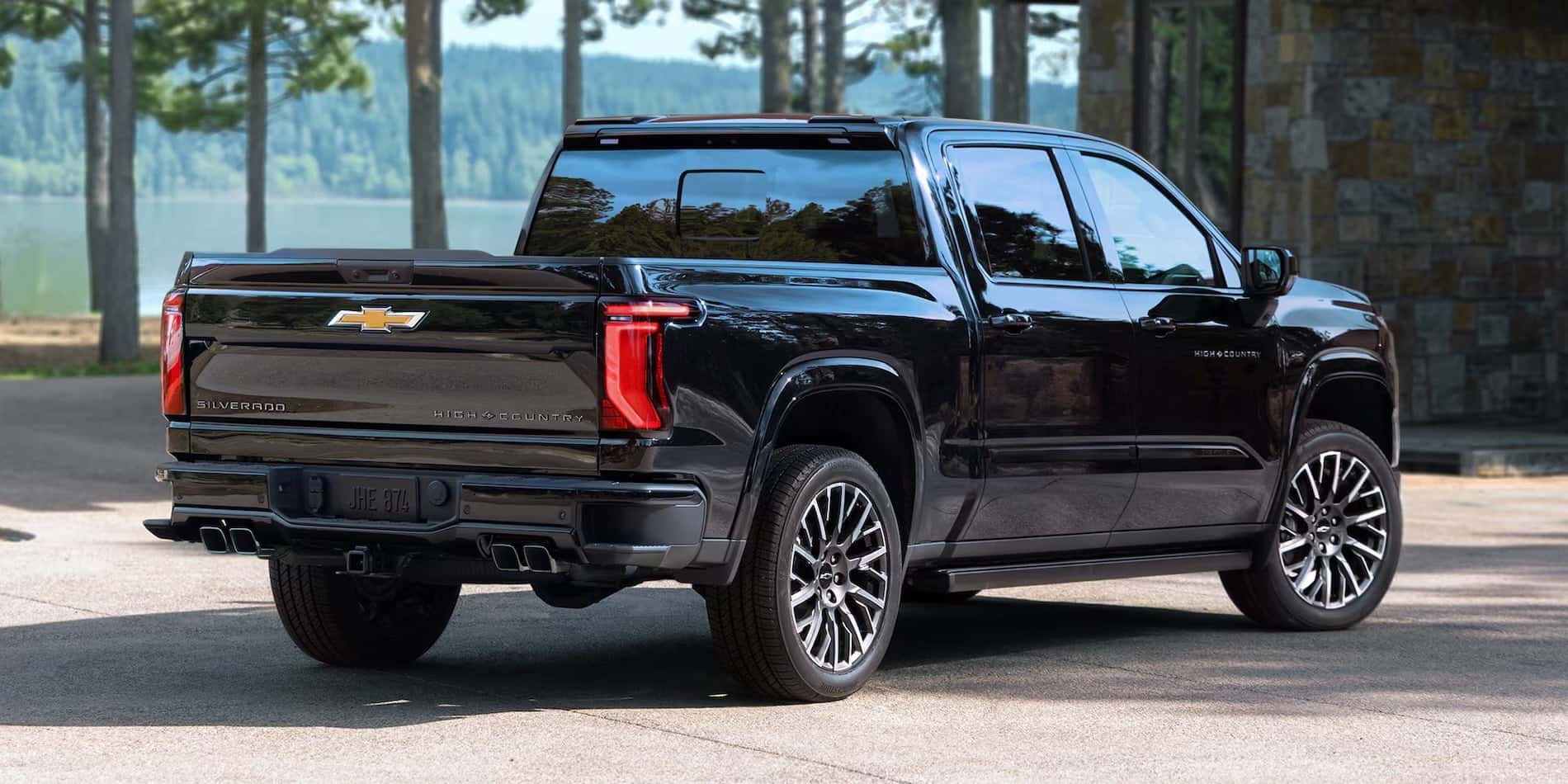
The 2027 Chevrolet Silverado 1500 maintenance schedule combines a 7,500-mile tire-rotation and inspection cycle with engine-oil-life guidance and engine-specific services. Oil and filter service is required when indicated and at least once a year. Frequent trailer use and other demanding operation can bring additional severe-service requirements into the plan.
Lucas Chevrolet helps South Jersey owners organize that work around the engine, drivetrain and use of their truck. Tell the service team about towing, short trips, work equipment and off-road driving. A Willingboro commuter and a Hainesport owner who regularly pulls a trailer may need different service planning even when both drive a Silverado. Schedule Silverado service with the mileage and service history ready.
Quick Answer
| When | Service | Scope or time limit |
|---|---|---|
| Every 7,500 miles | Rotate tires; perform required inspections; check oil level and oil-life percentage | Change oil when required by the system |
| Every 22,500 miles | Replace passenger-compartment air filter | Or 24 months, whichever comes first |
| Every 30,000 miles | Replace diesel fuel filter | Diesel only; or 2 years or filter message, whichever comes first |
| Every 60,000 miles | Replace spark plugs; inspect wires or boots | 2.7L TurboMax only |
| Every 97,500 miles | Replace spark plugs; inspect wires or boots | V8 gasoline engines (5.7L; 6.6L) |
| Every 100,000 miles | Change transfer-case fluid | Normal-service 4WD trucks |
| Every 150,000 miles | Drain and fill engine cooling system | Or 6 years, whichever comes first |
| Every 5 years | Replace brake fluid | Time-based service |
The mileage and time limits work together. A low-mileage truck can reach an annual oil service or a filter’s time limit before reaching its mileage interval. Keep dates as well as odometer readings in your records. The engine air filter has its own life-system messages; replacement and the required reset should follow those instructions.
The Oil Life System determines when oil service is due from vehicle operation. It is not a fixed promise that every oil change will occur at the tire-rotation interval. When CHANGE ENGINE OIL SOON appears, have the oil and filter changed within the next 600 miles. Change the oil and filter at least once a year and reset the system after the service.
| Engine | Required oil specification | Level-check distinction |
|---|---|---|
| 2.7L TurboMax gasoline | dexos1 full-synthetic SAE 0W-30 | Follow the dipstick procedure in the manual |
| V8 gasoline (5.7L; 6.6L) | dexos1 full-synthetic SAE 0W-30 | Use the electronic oil-level display procedure |
| 3.0L Duramax diesel | dexosD SAE 0W-20 | Follow the diesel dipstick procedure in the manual |
The V8 engines use an electronic oil-level check. The specified check is performed on level ground with the engine idling at normal operating temperature, using the vehicle display. TurboMax and Duramax use their own dipstick procedures. Follow the method for the fitted engine rather than transferring a procedure from a previous truck.
Check engine-oil level every 400 miles and before longer trips. Oil-life percentage and oil level answer different questions: a favorable life percentage does not prove the engine contains the correct amount of oil. Use the prescribed checking method, add only the correct specification when needed, and ask the service department about an unexplained change in level.
| Operating category | Service | Interval |
|---|---|---|
| Severe service | Automatic transmission fluid and filter | 45,000 miles |
| Severe service, 4WD | Transfer-case fluid | 50,000 miles |
| Normal service, 4WD | Transfer-case fluid | 100,000 miles |
The manual identifies frequent trailer towing, driving mainly in heavy city traffic in hot weather, and mainly hilly or mountainous driving among the uses requiring the severe-service schedule. Additional demanding commercial and short-trip conditions are also described. Tell the adviser how the truck operates so the schedule reflects its work rather than its trim name.
For a Westampton owner, the useful question is how often the truck tows, idles, carries equipment or makes repeated short runs. Route 130 traffic and Route 38 errands belong in that description when they represent the truck’s actual use. Living near a busy road alone does not place every truck on the same service schedule.
At higher mileage, the engine-specific spark-plug schedule and the cooling-system time limit become especially useful planning items. The diesel fuel filter also has a message-based requirement. Record each completed service separately so the next visit can be planned from actual history instead of assuming every item was done during a previous oil change.

Tire rotation works with correct inflation, tread inspection and attention to uneven wear. Follow the truck’s tire placard for pressure and the manual for load-related instructions. Have unusual wear, vibration or a change in steering feel evaluated. Brakes should be inspected as part of service, with replacement based on condition and the applicable requirements rather than a guessed universal mileage.
The cabin filter serves passenger-compartment airflow; the engine air filter serves the engine. They are different components with different replacement guidance. The cabin filter’s 22,500-mile or 24-month interval can require earlier attention under relevant conditions. Bring reduced airflow or an engine-air-filter message to the service team’s attention instead of assuming that one filter replacement addresses both systems.
The 10-speed automatic and, on equipped trucks, the transfer case have distinct service needs. Frequent trailering can make severe-service fluid work relevant. The cooling system has both mileage and age limits. Use the correct fluid and procedure for each system; an engine oil change does not replace scheduled maintenance elsewhere in the drivetrain.
Durability begins with matching the truck to its load and maintaining the systems doing the work. Carrying cargo within the truck’s ratings, operating trailering equipment correctly and following the engine-specific service schedule support consistent use. The factory off-road hardware on Trail Boss and ZR2 trucks also needs the inspections and operating care appropriate to where those trucks travel.
For Cherry Hill drivers using the truck for repeated short trips, describing trip length can help the service team assess maintenance needs. Mount Laurel owners who add a trailer for longer journeys should include that use as well. Conditions and operating patterns are more informative than a broad assumption about everyone in the region. Review towing loads and equipment when the truck’s work changes.
| Budget category | What determines it | How to plan |
|---|---|---|
| Routine maintenance | Engine, required oil, filters and service history | Request the services due at your mileage and age |
| Wear items | Tire and brake condition, load and use | Review inspection findings and authorize needed work |
| Severe-use services | Towing and other operating conditions | Plan transmission and transfer-case work when applicable |
| Fuel | Engine, route, payload and trailer | Use your expected travel and fuel choice |
| Warranty repairs | Written terms and eligible condition | Review coverage for the vehicle and engine |
A useful ownership budget separates scheduled service from condition-based wear and eligible warranty repairs. Bumper-to-bumper limited coverage runs for 3 years or 36,000 miles, with the first limit reached ending the term under the written warranty conditions. Powertrain coverage depends on the engine and applicable terms. Keep the truck’s warranty booklet and maintenance records together so covered repairs and routine service can be evaluated correctly.
Choose an engine with its service requirements in view. A diesel has diesel-specific oil and fuel-filter work; gasoline engines have their spark-plug schedules. Request a written service estimate for the actual work due. That produces a useful budget without treating an unrelated national average as a dealer’s price.
GM’s first maintenance visit program covers an oil change, multi-point inspection and rotation of four tires for a new-vehicle purchase or lease. The visit must take place at a participating dealer within the first year after delivery; air filters are excluded and other restrictions apply. Ask Lucas Chevrolet to review the vehicle’s eligibility when scheduling that visit.
Use Lucas Chevrolet’s service department for a maintenance review and the parts department for the components matched to your truck. Have the engine, mileage, warning messages and prior records available. A photograph of a message can help communicate the exact wording when arranging a visit.
Lucas Chevrolet is at 1622 Route 38, Lumberton, NJ 08048. Call (609) 288-7663 or request a service appointment. If you are also considering another truck, the Silverado research hub connects the equipment and ownership guides.
The 7,500-mile schedule covers tire rotation and required checks. Engine oil and filter service follows the Oil Life System and must occur at least annually. When CHANGE ENGINE OIL SOON appears, arrange the service within the next 600 miles.
The gasoline engines use dexos1 full-synthetic SAE 0W-30. Use the correct approval as well as the viscosity grade. The Duramax diesel has a different requirement, so identifying the fitted engine is essential when purchasing oil or requesting service.
The 3.0-liter Duramax uses dexosD SAE 0W-20. That is separate from the gasoline-engine specification. Follow the diesel oil-level checking instructions and arrange oil and filter service when indicated, with the annual requirement still applying.
The 5.7-liter and 6.6-liter V8 engines use an electronic oil-level display procedure. Follow the manual’s conditions, including level ground and an idling engine at normal operating temperature. The TurboMax and diesel dipstick procedures should not be substituted for the V8 method.
Frequent towing is among the severe-use conditions identified in the maintenance schedule. Severe-service automatic transmission fluid and filter replacement is at 45,000 miles. Describe the truck’s actual use to Lucas Chevrolet so the applicable work is planned correctly.
TurboMax spark plugs are scheduled at 60,000 miles, while the 5.7-liter and 6.6-liter V8 spark plugs are scheduled at 97,500 miles. The schedule also calls for inspection of the associated wires or boots. More demanding conditions can require additional attention under the manual’s guidance.
The diesel fuel filter is replaced at 30,000 miles, 2 years or the filter-change message, whichever comes first. Operating conditions can call for more frequent replacement. Record the date and mileage of each replacement and follow the message when it appears.
Provide the engine, odometer reading, time since prior service, any messages and the work the truck performs. Mention repeated short trips, towing and off-road or commercial use. Service records help identify what is due and prevent assumptions about previously completed work.
Explore the Chevrolet Silverado 1500
Next Step
Provide mileage, engine information and maintenance records when arranging service, and describe towing or demanding work that affects the truck’s maintenance schedule.
